Sambal is a chilli paste or relish from Indonesian and Malaysian cooking. Crispy chilli oil is oil full of crunchy fried chilli, garlic and spices. Both bring heat, but they have a different texture, flavour and job in the kitchen.
What is sambal?
Sambal is made by grinding or pounding chillies, often with shallot, garlic, salt, sugar, lime or shrimp paste. The result is a wet, spoonable paste. In the Netherlands most people know sambal oelek and sambal badjak from the supermarket.
What is crispy chilli oil?
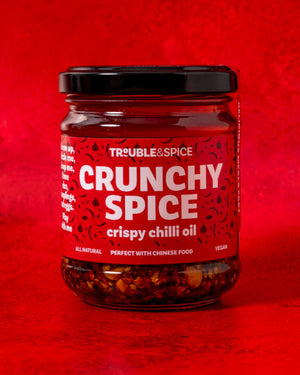
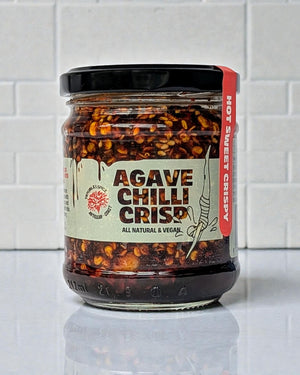
Crispy chilli oil starts with oil. Chilli, garlic, onion and spices are cooked in it until crunchy, and they stay in the jar. You get a mix of flavoured oil and crispy bits. Read more about crispy chilli oil.
The main differences
- Texture: sambal is a smooth or coarse paste. Crispy chilli oil is oil with crunch.
- Flavour: sambal is usually sharp, fresh and hot. Crispy chilli oil is rounder and more savoury, with toasted garlic and spices.
- Heat: sambal is often hotter. Most crispy chilli oils focus on flavour first.
- Use: sambal is great cooked into dishes or served on the side. Crispy chilli oil is great as a topping, and you can cook and marinate with the oil too.
When to use which
Use sambal when you want a sharp kick in a stir-fry, a marinade or next to nasi. Use crispy chilli oil when you want crunch and depth: fried eggs, noodles, dumplings, hummus, soup or even pizza. For more ideas, see 30 things to put crispy chilli oil on.
Can I swap one for the other?
Often, yes. In a sauce or marinade, a spoon of crispy chilli oil can replace sambal and add extra flavour. Try Yum Phrik for fresh Thai notes or Crunchy Spice for classic Chinese style. As a topping, sambal will not give you the same crunch.